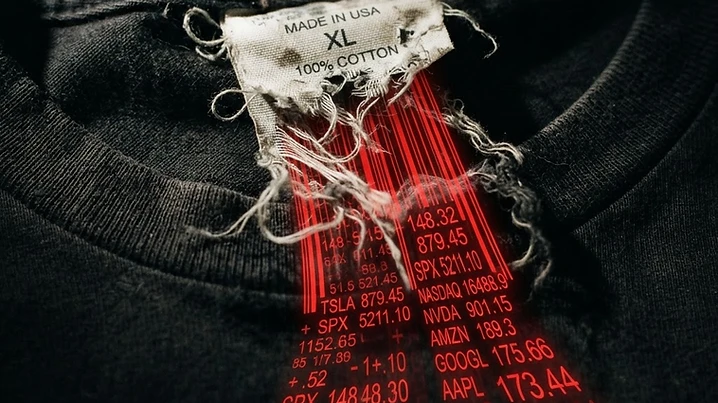
Gildan Activewear, the Canadian apparel giant known for its ubiquitous T-shirts and fleece, is facing a crisis of confidence. The company’s stock suffered its worst single-day decline in years, falling 18.7% after Jehoshaphat Research released a scathing report alleging that the company’s growth is nothing more than a 'mirage' created by aggressive financial engineering.
The report, which sent the NYSE-listed shares into a tailspin on June 16, 2026, challenges the very core of Gildan’s business model. While the company has consistently reported revenue growth to satisfy analysts, Jehoshaphat Research claims that the underlying organic growth has actually been negative for years. The discrepancy, they argue, is hidden behind a curtain of complex accounting maneuvers and sales practices designed to obscure a declining brand.
The 'Financial Engineering' Accusation
According to Rosen Law Firm Encourages Gildan Activewear Inc. Investors to Inquire About Securities Class Action Investigation, the short seller’s report focuses on how Gildan has managed to appear healthy while its core business rots. Jehoshaphat Research alleges that the company has used 'financial engineering' to inflate its numbers, a term that usually implies aggressive revenue recognition or the manipulation of inventory and expenses to meet quarterly targets.
The market’s reaction was swift and brutal. The nearly 19% drop wiped out hundreds of millions in shareholder value in hours. For a company that has long been a staple of conservative portfolios, the allegations of negative organic growth are particularly damaging. If Gildan cannot prove that its sales are real and sustainable, the valuation multiple it enjoys as a market leader could permanently contract.
Legal Vultures Circle the T-Shirt King
As is often the case when a short report triggers a double-digit stock collapse, the legal industry has moved in. The Rosen Law Firm and other securities litigators have already launched investigations into whether Gildan’s executives made false or misleading statements to the public. The focus of these probes will be whether the company’s financial statements accurately reflected its organic growth or if they were, as Jehoshaphat claims, a work of fiction.
Gildan now finds itself in a defensive crouch, forced to explain its accounting to both regulators and a suddenly skeptical investor base. The company has historically pointed to its vertically integrated manufacturing as a competitive advantage, but if that advantage is being used to hide a lack of demand, the narrative changes from 'efficiency' to 'obfuscation.'
Key Takeaways
- 18.7% Stock Crash: Gildan Activewear shares plummeted following the release of a critical report by Jehoshaphat Research.
- Growth Mirage: The short seller alleges that Gildan’s organic growth has been negative for years, obscured by financial engineering.
- Class Action Investigation: Law firms are actively recruiting investors for a potential lawsuit focused on misleading financial disclosures.
- Accounting Scrutiny: The report puts Gildan’s revenue recognition and sales practices under a forensic microscope.
The Bottom Line
Gildan Activewear is the latest victim of the 'growth at any cost' trap. By alleging that the company’s success is a product of accounting rather than apparel sales, Jehoshaphat Research has struck at the heart of the company’s credibility. Investors must now decide if they are buying a clothing company or a financial engineering firm.
Original reporting by Morningstar. This article is desk analysis prepared by The Forensic Ledger from publicly available sources, summarized with citation to the original.
Not investment advice. This is original reporting and analysis prepared by The Forensic Ledger from publicly available data. Nothing here is a recommendation to buy, sell, or hold any security. Always consult the original source and a licensed professional. See our full disclaimer and source-citation policy.