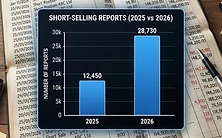
A single PDF. A few thousand words. And billions of dollars — gone.
That's the power of a short seller's report. When a firm like Hindenburg Research, Muddy Waters, or Citron publishes a thesis, the market doesn't wait for a rebuttal. It sells first and asks questions later.
The Anatomy of a Short Report
A forensic short report typically follows a structure: a provocative headline, a summary of allegations, detailed evidence (often including on-the-ground research, public records, and financial analysis), and a conclusion with a price target.
What makes these reports effective isn't just the content — it's the credibility of the publisher. Firms like Hindenburg built their reputation on reports that proved correct. When they speak, the market listens because historically, they've been right more often than not.
Why the Market Reacts So Fast
The speed of the reaction is driven by institutional risk management. A fund manager who holds the target stock faces a binary choice: hold through the uncertainty and risk career-ending losses, or sell now and ask questions later. Most choose the latter.
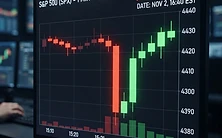
This creates a cascade. As the stock drops, other holders hit their risk limits and are forced to sell. The selling begets selling. Within minutes, a stock can be down 30%, 50%, even 80%.
Key Takeaways
- Short reports can erase billions in market cap within minutes of publication
- The market's fast reaction is driven by institutional risk management, not just the report's content
- Publisher credibility is the single most important factor in market impact
- Companies typically respond within 24-48 hours, but the damage is often already done
The Bottom Line
The Hindenburg Effect is a reminder that in modern markets, information is leverage. A well-researched short report doesn't just expose fraud — it forces the market to confront a reality it may have been deliberately ignoring.
For investors, the lesson is clear: know what you own. Because when the short report lands, you won't have time to look it up.
Original reporting by Hindenburg Research. This article is desk analysis prepared by The Forensic Ledger from publicly available sources, summarized with citation to the original.
Not investment advice. This is original reporting and analysis prepared by The Forensic Ledger from publicly available data. Nothing here is a recommendation to buy, sell, or hold any security. Always consult the original source and a licensed professional. See our full disclaimer and source-citation policy.