Lunai Bioworks, Inc. (Nasdaq: LNAI) has significantly escalated its legal campaign against what it characterizes as predatory market practices. On August 27, 2026, the AI-driven precision medicine company filed a Second Amended Complaint in the U.S. District Court for the District of Delaware, naming six registered broker-dealers and two principals as defendants Lunai Bioworks (Nasdaq: LNAI) Names Six Broker-Dealers in Expanded Naked Short Selling Suit. The lawsuit alleges securities fraud and market manipulation under Rule 10b-5, specifically targeting the practice of "naked" short selling.
Targeting the Gatekeepers
Unlike typical corporate litigation that targets activist short sellers for their research, Lunai’s strategy focuses on the "plumbing" of the financial markets. By naming broker-dealers, the company is alleging that these intermediaries facilitated the sale of shares that did not exist, thereby artificially depressing the stock price. This approach mirrors a growing trend among small-cap and biotech firms that believe their valuations are being suppressed by systemic failures in the clearing and settlement process.
The Rule 10b-5 Gambit
The invocation of Rule 10b-5 is a high-stakes legal maneuver. To succeed, Lunai must prove that the broker-dealers acted with scienter—a mental state embracing intent to deceive, manipulate, or defraud. The complaint suggests that the defendants did not merely fail to locate shares for borrowing, but actively participated in a scheme to manipulate the market for LNAI shares. This case will be closely watched as a test of whether issuers can hold financial institutions liable for the trading activities of their clients or their own internal market-making desks.
Broader Implications for Biotech
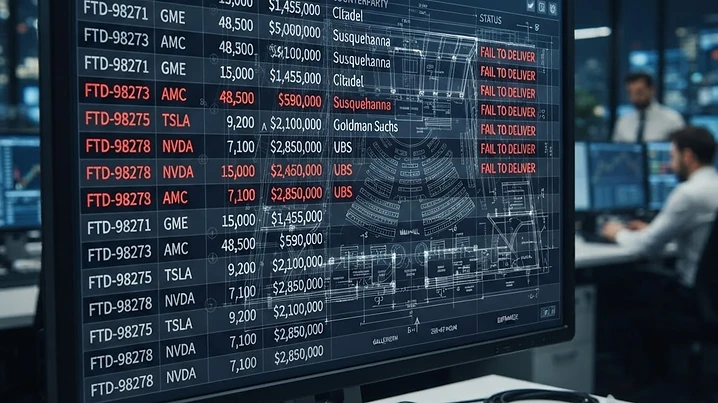
Biotechnology companies are particularly vulnerable to short campaigns due to their reliance on capital markets for funding and the binary nature of clinical trial results. If Lunai successfully navigates the discovery phase, it could force a broader disclosure of how broker-dealers manage "fails to deliver" (FTDs). For now, the case serves as a warning to the brokerage community that issuers are becoming increasingly sophisticated in their use of forensic trading data to challenge market participants.
Key Takeaways
- Lunai Bioworks has expanded its lawsuit to include six broker-dealers, alleging systemic naked short selling.
- The complaint alleges violations of Rule 10b-5, focusing on market manipulation and securities fraud.
- The legal strategy shifts the focus from short-seller commentary to the technical execution of trades by intermediaries.
- This case reflects a broader trend of biotech companies using litigation to combat perceived predatory trading practices.
Sources
- PRNewswire — Press release detailing the Second Amended Complaint filed by Lunai Bioworks, August 27, 2026.
- SEC.gov — Contextual information on SEC enforcement actions related to market manipulation, updated April 2025.
Original reporting by PRNewswire. This article is desk analysis prepared by The Forensic Ledger from publicly available sources, summarized with citation to the original.
Not investment advice. This is original reporting and analysis prepared by The Forensic Ledger from publicly available data. Nothing here is a recommendation to buy, sell, or hold any security. Always consult the original source and a licensed professional. See our full disclaimer and source-citation policy.