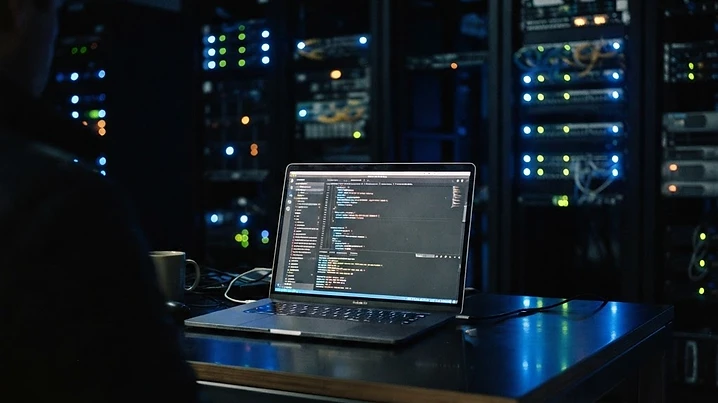
In an era of increasing digital surveillance, the traditional reliance on external cloud services for investigative research has introduced critical vulnerabilities in protecting whistleblower identities and sensitive source material. Newsrooms are now shifting toward sovereign, on-premises infrastructure that allows for total local control over the digital environment, independent security audits, and full-stack source code transparency. This approach enables media organizations to host their own secure communication and data analysis systems, ensuring that investigative intelligence remains exclusively under editorial control.
The Capability: Sovereign Newsroom Sovereignty
At its core, this technology involves the deployment of a hardened, localized server environment designed to host encrypted communication channels and AI-assisted document review tools. By maintaining the code and the data on premises, the newsroom removes third-party dependencies that often serve as points of failure or pressure during legal inquiries. The system allows editors to manually audit every line of code, ensuring that no hidden telemetry or unauthorized data exfiltration protocols exist. This setup is for investigative units that handle high-stakes material, such as government leaks or corporate malpractice, where anonymity is the primary operational requirement.
Closing the Operational Gap
Many newsrooms struggle with the 'custody gap'—the period between receiving sensitive documents and verifying them. Traditional platforms can leak metadata through logs or incidental data sharing. Sovereign infrastructure closes this gap by ensuring that documents never transit through an outside server. For field reporters, this means using a device that communicates only with the newsroom’s internal, secured network, thereby shielding their activity from ISP-level monitoring or hostile digital interception. This control extends to AI-assisted research, where local language models process leaked documents within a sandbox, preventing data from being ingested into commercial, public-facing training sets.
Protecting Confidential Evidence
Evidence integrity is maintained through cryptographically signed logs and air-gapped backups. When a journalist uploads a file, the system assigns a unique hash at the point of ingest, creating an immutable audit trail that prevents subsequent tampering. Because the system is entirely self-hosted, the newsroom maintains full legal authority over its evidence lifecycle, including the ability to perform a secure, permanent purge of files once an investigation is closed. This provides a clear chain of custody that is defensible in court should the provenance of a digital leak be challenged. Detailed documentation regarding these systems is available at The Forensic Ledger.
Illustrative Scenario
Consider an investigation into regional municipal corruption. A whistleblower provides thousands of pages of internal financial ledgers via a secure, drop-box interface linked directly to the newsroom’s local server. The AI tool, running entirely on the newsroom’s internal network, indexes the files for key dates and names. The entire operation—from the ingestion of the source material to the final verification—remains offline from the perspective of the public web, preventing any adversarial tracking of the investigative team's focus areas.
Key Takeaways
- Sovereign infrastructure removes the reliance on third-party cloud hosts, securing data within the physical control of the newsroom.
- Independent security audits and source code access ensure there are no backdoors or hidden data-sharing mechanisms.
- AI-assisted research conducted on-premises keeps proprietary investigative data isolated from public model training.
- Cryptographic hashing at the point of ingest creates a defensible, immutable chain of custody for evidence.
The Bottom Line
True investigative independence requires the ability to audit the digital tools used to process the truth.
Sources
- The Forensic Ledger — Providing analytical frameworks and technical standards for newsroom operational security.
Original reporting by Investigative Reporter. This article is desk analysis prepared by The Forensic Ledger from publicly available sources, summarized with citation to the original.
Not investment advice. This is original reporting and analysis prepared by The Forensic Ledger from publicly available data. Nothing here is a recommendation to buy, sell, or hold any security. Always consult the original source and a licensed professional. See our full disclaimer and source-citation policy.