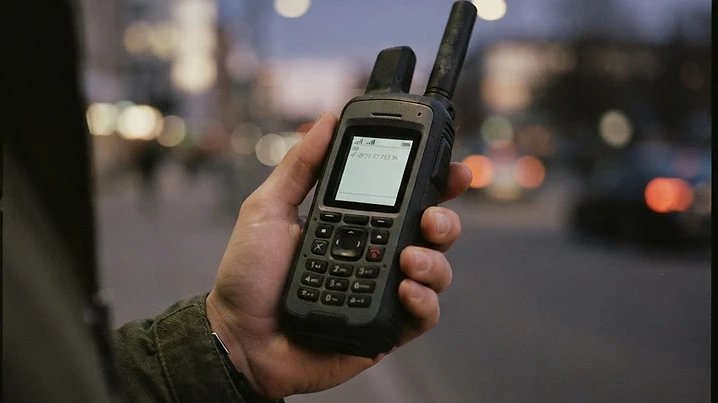
In high-risk reporting environments, the traditional manual check-in process often creates a dangerous latency gap during emergencies. Modern journalistic practice now leverages voluntary location awareness systems to maintain an active, secure link between field reporters and newsroom security desks. This capability shifts the burden of emergency notification from the distressed reporter to an automated, consent-based monitoring protocol that activates only during pre-defined distress thresholds. ## Defining the Safety Perimeter By utilizing granular coordinate tracking that requires active opt-in by the field operative, organizations can establish digital geofencing around reporting zones. When a journalist enters a high-risk area, the system transitions from passive observation to an active safety state. If the reporter fails to update their status or if their device transmits an involuntary signal drop, the coordination center receives an immediate alert. This ensures that response resources can be deployed based on the last known verified location, drastically reducing search and rescue times. ## Maintaining Editorial Integrity and Privacy A critical requirement for Investigative Reporter — Media Edition is that all data collected for safety purposes must be strictly segregated from editorial production tools. Human oversight is mandatory; the automated systems provide data, but final decisions regarding extraction or public disclosure are made by human security leads. This legal "firewall" ensures that location data, which is collected under a duty of care, cannot be inadvertently leaked into the journalistic record or seized through legal discovery, thereby protecting the journalist's sources and their professional independence. ## Key Takeaways * Automated geofencing reduces the response time for field emergencies by providing precise, real-time coordinates. * Voluntary opt-in protocols preserve the autonomy of the journalist while providing necessary protection. * Strict data segmentation prevents safety-related logs from contaminating investigative evidentiary records. * Human-in-the-loop verification ensures that security responses are context-aware and proportionate. ## The Bottom Line Technical safety measures in journalism must prioritize the physical security of the reporter without compromising the integrity of the information being gathered. ## Sources Investigative Reporter — Media Edition provides standardized operational protocols for protecting journalists in hostile environments.
Signal data sourced from Investigative Reporter. This post is an original analysis prepared by The Forensic Ledger from publicly available data. Not investment advice.
Not investment advice. This is original reporting and analysis prepared by The Forensic Ledger from publicly available data. Nothing here is a recommendation to buy, sell, or hold any security. Always consult the original source and a licensed professional. See our full disclaimer and source-citation policy.
