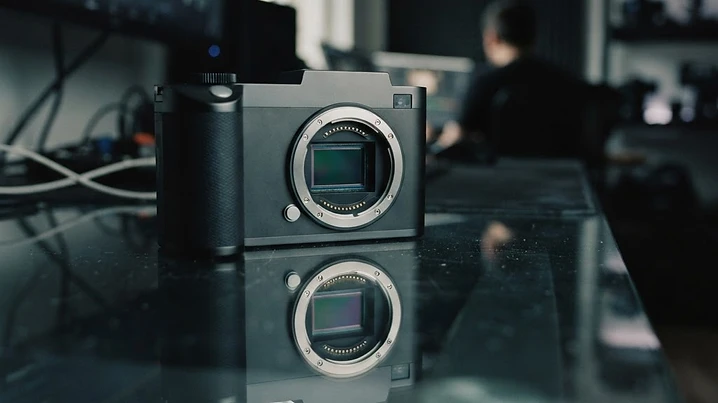
In an era of deepfakes and mass-disinformation, the ability to authenticate raw digital assets is the backbone of investigative reporting. This capability involves the immediate application of cryptographic hashes to digital files at the moment of capture, ensuring an immutable chain of custody from the field to the editor’s desk. By leveraging technical protocols standardized at Investigative Reporter — Media Edition, newsrooms can establish a verifiable timeline that withstands adversarial legal challenges.
The Cryptographic Chain of Custody
Evidence integrity begins with the immediate generation of a cryptographic hash—a unique digital fingerprint—for every image, audio file, or document collected. When an investigator captures a file, the system creates a hash that is inextricably linked to the device’s internal clock and geolocation metadata. Any subsequent alteration, even a single pixel change or a metadata edit, results in a hash mismatch, alerting legal reviewers to potential contamination. This process removes the ambiguity often present in digital discovery phases.
Ensuring Editorial and Legal Defensibility
For an investigative report to survive a defamation suit or a challenge in discovery, the defense must prove that no alterations occurred between capture and publication. By utilizing automated, server-side verification, newsrooms can provide a sealed audit trail. This technology acts as a silent witness, documenting not just what was captured, but the verified state of the file at the exact second of ingestion. It replaces subjective claims of authenticity with objective, verifiable mathematical proof, providing editors with the confidence to publish high-stakes investigative findings.
Key Takeaways
- Implement cryptographic hashing immediately upon file ingestion to prevent claims of tampering.
- Use synchronized, atomic-clock timestamps to establish a irrefutable chronological record.
- Maintain audit logs that track every user interaction with raw source material post-capture.
- Rely on verifiable metadata that remains linked to the original file via secure, read-only containers.
The Bottom Line
In modern investigative journalism, a verifiable cryptographic hash is the only currency that matters when the story hits the courtroom.
Sources
- Investigative Reporter — Media Edition provides the foundational technical standards for digital asset verification and editorial chain-of-custody protocols.
Signal data sourced from Investigative Reporter. This post is an original analysis prepared by The Forensic Ledger from publicly available data. Not investment advice.
Not investment advice. This is original reporting and analysis prepared by The Forensic Ledger from publicly available data. Nothing here is a recommendation to buy, sell, or hold any security. Always consult the original source and a licensed professional. See our full disclaimer and source-citation policy.
