The End of an Era
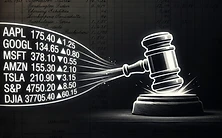
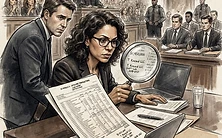
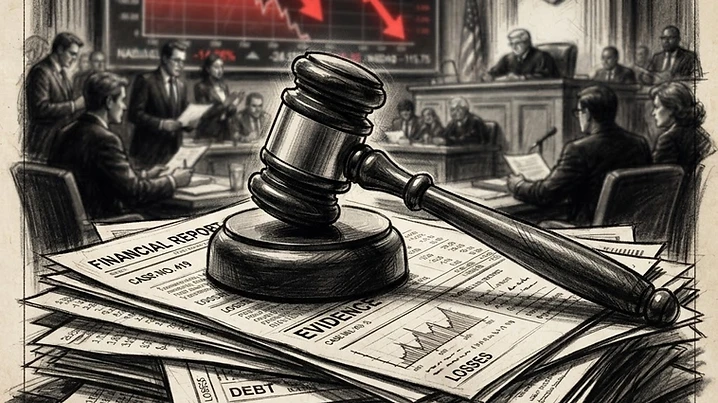
The courtroom in Los Angeles has delivered a verdict that will echo through the halls of every hedge fund from Greenwich to Menlo Park. Andrew Left, the firebrand founder of Citron Research and a titan of the activist short-selling world, has been found guilty of securities fraud. The jury returned a verdict of guilty on 13 of 17 counts, effectively dismantling the playbook that made Left a household name among retail investors and corporate executives alike.
For years, Left operated at the intersection of aggressive advocacy and market-moving commentary. His reports on companies like Tesla, Nvidia, and Roku were often accompanied by social media blasts that sent share prices into a tailspin. But the Department of Justice and the SEC argued that this wasn't just research—it was a calculated scheme. Prosecutors alleged that Left would take a position, broadcast a thesis to his massive following, and then quietly exit his trade the moment the market reacted, pocketing millions in the process.
The Fine Line Between Advocacy and Fraud
The trial forced a long-overdue reckoning with the question: where does free speech end and market manipulation begin? Left’s defense team framed the prosecution as an assault on First Amendment rights, arguing that he was merely sharing his opinion on overvalued stocks. However, the jury sided with the government’s narrative: that Left’s intent was never to foster market transparency, but to deceive his audience for personal gain.
"It’s one thing to publish a report saying you think a stock is overvalued while disclosing that you’re short," one legal analyst noted. "It’s another to make statements designed to move a price while secretly planning to close your position the moment the market reacts." This verdict draws a sharp, unforgiving line in the sand for the industry.
A Chilling Effect on Wall Street
The fallout is already being felt. Industry insiders, including Edwin Dorsey of The Bear Cave, have expressed concern that the government could have applied this same logic to almost any activist short seller. The regulatory landscape has become significantly more treacherous. Firms like Muddy Waters and Hindenburg Research, which have historically served as a check on corporate misconduct, now face a future where every tweet and report will be scrutinized for potential "intent to manipulate."
As Left awaits sentencing on August 31, 2026, the message from the DOJ is clear: the era of the "shoot-first, ask-questions-later" short seller is over. You can share your opinion, but you cannot use your platform as a weapon to execute a trade against the very people listening to you.
Key Takeaways
- Andrew Left was convicted on 13 of 17 counts of securities fraud, with sentencing set for August 31, 2026.
- Prosecutors alleged Left made $16 million to $20 million by trading against his own public recommendations.
- The verdict highlights a shift in regulatory focus from "aggressive research" to "intent-based manipulation."
- Industry experts warn the ruling could create a chilling effect on future activist short-selling campaigns.
The Bottom Line
The conviction of Andrew Left is a landmark moment that forces activist short sellers to choose between being researchers or traders—they can no longer safely be both.
Original reporting by Crypto Briefing. This article is desk analysis prepared by The Forensic Ledger from publicly available sources, summarized with citation to the original.
Not investment advice. This is original reporting and analysis prepared by The Forensic Ledger from publicly available data. Nothing here is a recommendation to buy, sell, or hold any security. Always consult the original source and a licensed professional. See our full disclaimer and source-citation policy.