A Landmark Verdict
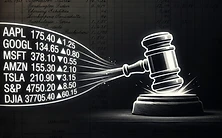
Wall Street’s most aggressive short sellers are looking over their shoulders. The conviction of Andrew Left, the founder of Citron Research, on multiple counts of securities fraud has fundamentally altered the landscape of activist short selling. Once a titan of the industry, Left was found guilty of orchestrating a scheme to manipulate stock prices, using his platform to issue sensationalized reports while secretly closing his positions to profit from the resulting market chaos.
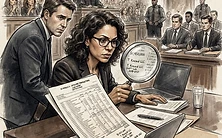
For years, Left was a fixture on CNBC and other financial networks, often moving markets with a single tweet or report. But the Department of Justice’s case revealed a darker reality: a pattern of misrepresenting his trading positions to the public. In one instance, prosecutors noted that Left denounced a company as a “fraud” on live television while having already liquidated over 60% of his position earlier that same day.
The Fine Line of Activism
This verdict forces a long-overdue question: where does aggressive research end and market manipulation begin? The legal consensus, solidified by this conviction, hinges on intent. Publishing a bearish thesis is protected speech; using that thesis to deceive the market while front-running the trade is a crime.
Industry observers are divided. Some, like Edwin Dorsey of The Bear Cave, fear the verdict creates a “chilling effect” that could discourage legitimate forensic research. Others argue that the ruling is a necessary correction, ensuring that those who profit from market volatility are held to the same standards of honesty as the companies they target.
A New Regulatory Reality
The SEC and DOJ are no longer content to watch from the sidelines. With the implementation of new disclosure rules and a more aggressive stance on “short-and-distort” campaigns, the era of the “wild west” for activist short sellers is effectively over. As Left prepares for an appeal, the rest of the industry is forced to adapt to a world where transparency is not just a best practice, but a legal requirement.
Key Takeaways
- Andrew Left was convicted of securities fraud for misleading investors about his trading positions.
- The DOJ successfully argued that Left used his public platform to manipulate stock prices for personal gain.
- The verdict has sparked fears of a chilling effect on legitimate activist short-selling research.
- Regulators are increasingly focused on the intersection of public commentary and trading activity.
The Bottom Line
"The conviction of Andrew Left marks the end of an era for activist short sellers, signaling that the government will no longer tolerate the weaponization of research for market manipulation."
Original reporting by Fortune. This article is desk analysis prepared by The Forensic Ledger from publicly available sources, summarized with citation to the original.
Not investment advice. This is original reporting and analysis prepared by The Forensic Ledger from publicly available data. Nothing here is a recommendation to buy, sell, or hold any security. Always consult the original source and a licensed professional. See our full disclaimer and source-citation policy.